

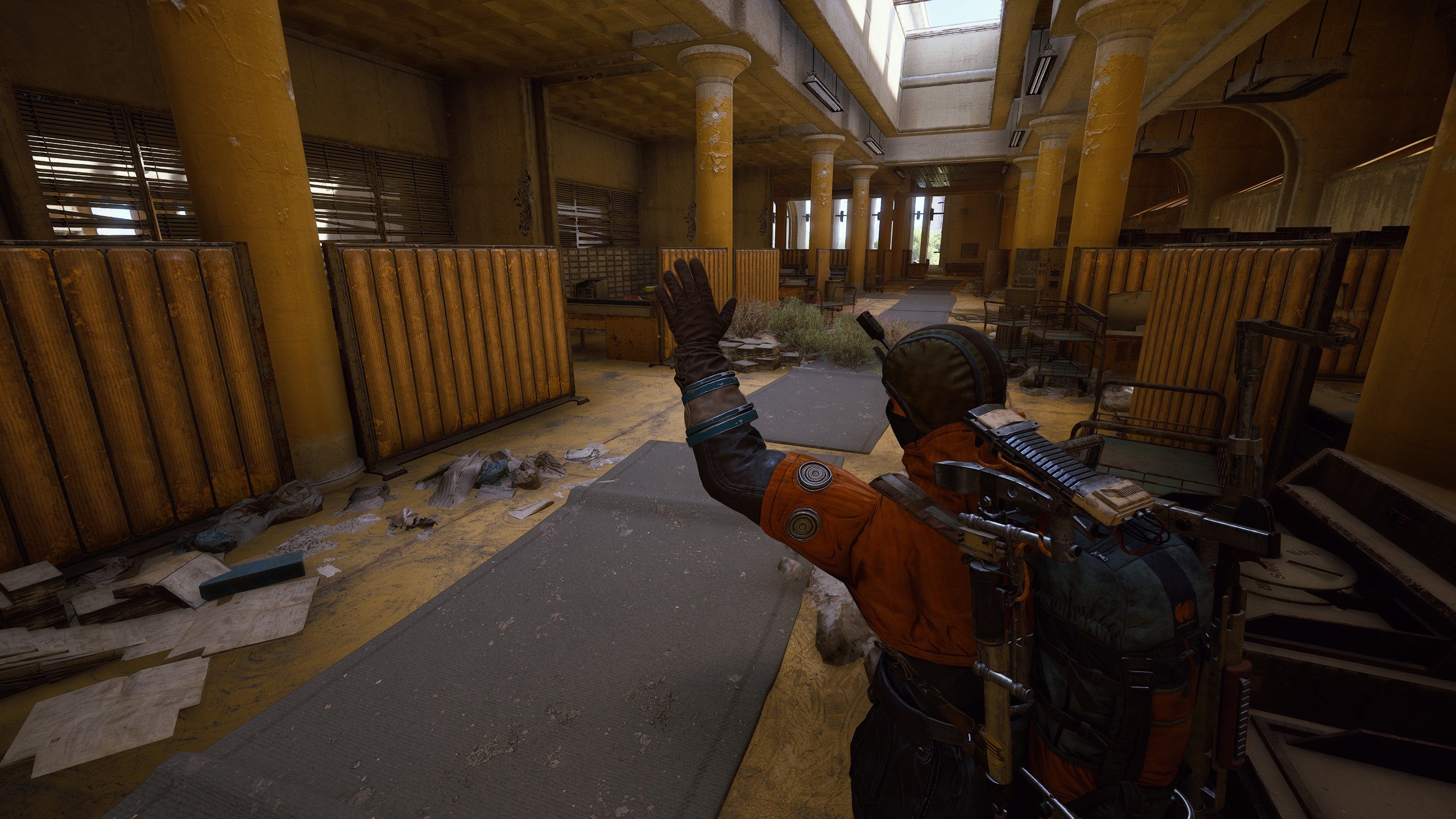
Arc Raiders supports both solo play and coordinated squads, but the mindset required for survival changes dramatically depending on group size. Solo raiders and squads operate under different pressures, make decisions at different speeds, and interpret risk in fundamentally different ways.
Many failures occur when players apply a solo mindset inside a squad or rely on squad habits when operating alone. Survival depends on understanding how responsibility, awareness, and decision-making shift with numbers.
Responsibility Distribution Changes Risk Perception
Solo raiders carry full responsibility for every decision. Movement, positioning, and timing are personal and immediate. This creates a heightened sense of caution, where risk is evaluated continuously.
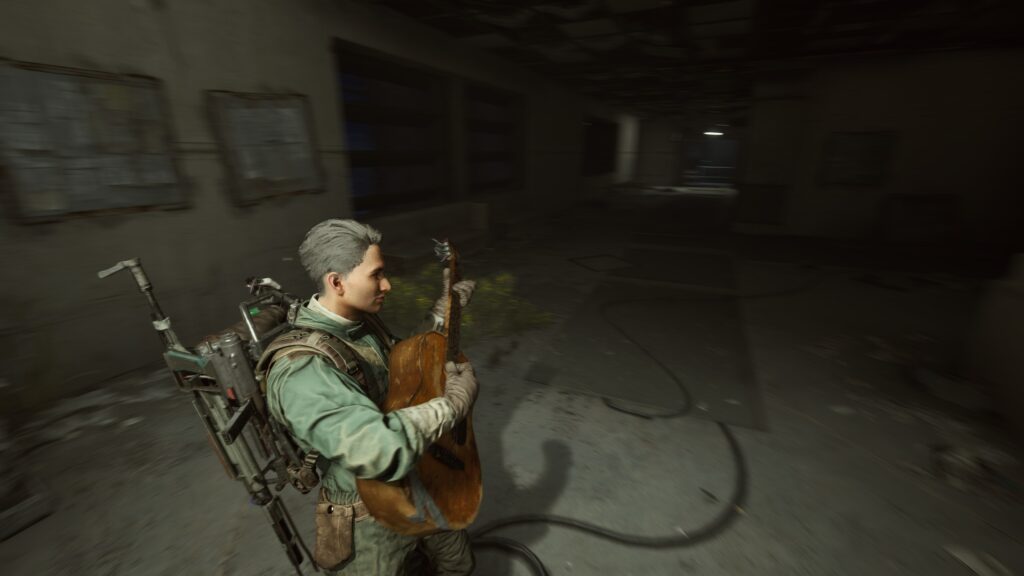
Squads distribute responsibility across members, which alters perception. Individual mistakes feel less final, encouraging bolder movement and faster engagement. This shared burden increases momentum but also introduces blind spots. Squads often accept risks that solo players would avoid, not because they are safer, but because accountability is shared.
Information Flow Versus Information Control
Solo play relies on internal information control. The player processes sound, movement, and visual cues alone, filtering noise instinctively. In squads, information becomes externalized through communication.
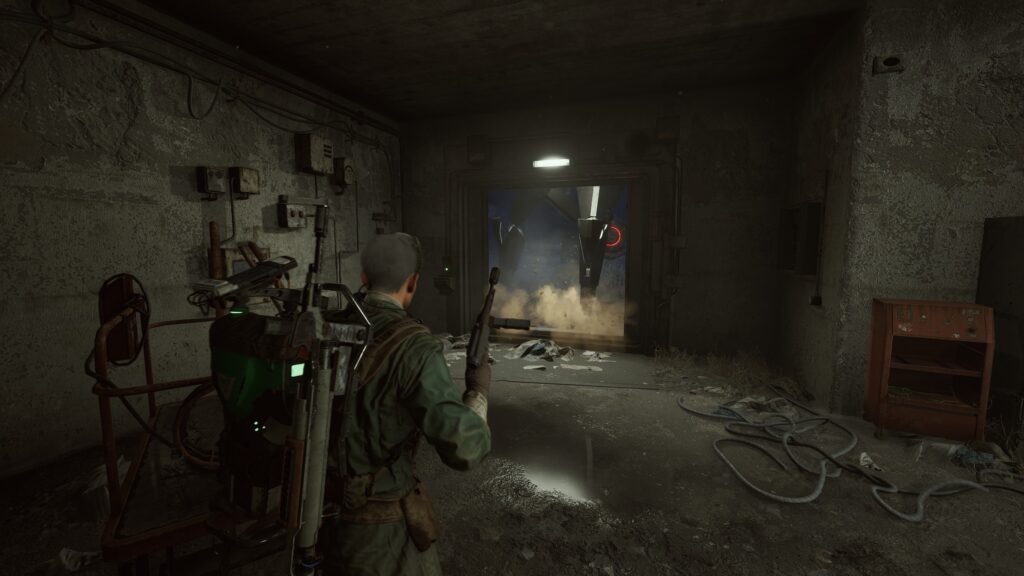
Callouts expand awareness but also introduce delay and dependency. Poor communication creates confusion, while excessive chatter hides critical signals. Survivors understand when to speak and when to listen. Squad effectiveness depends less on volume of information and more on timing and clarity.
Movement Discipline in Different Group Sizes
Solo raiders move deliberately, prioritizing concealment and escape routes. Every step is chosen to minimize exposure. Squads, by contrast, generate unavoidable noise and visual presence. Coordination replaces stealth, requiring formation awareness and spacing. When squads move without discipline, they amplify environmental risks and reveal intentions early. Successful squads adopt controlled movement patterns that mimic solo caution, while failed squads move as a single loud mass that invites engagement.
Mistakes That Collapse Group Survival
Certain errors consistently undermine both solo and squad play.
- Solo players overcommitting due to false confidence
- Squads hesitating due to unclear leadership
- Players ignoring role boundaries within groups
- Applying solo instincts during coordinated pushes
These failures stem from mindset mismatch rather than mechanical error.
Why Adaptability Determines Long-Term Survival
The strongest players adjust mindset based on context. They understand when to slow down, when to rely on teammates, and when to act independently. Adaptability prevents rigid behavior that leads to predictable mistakes.
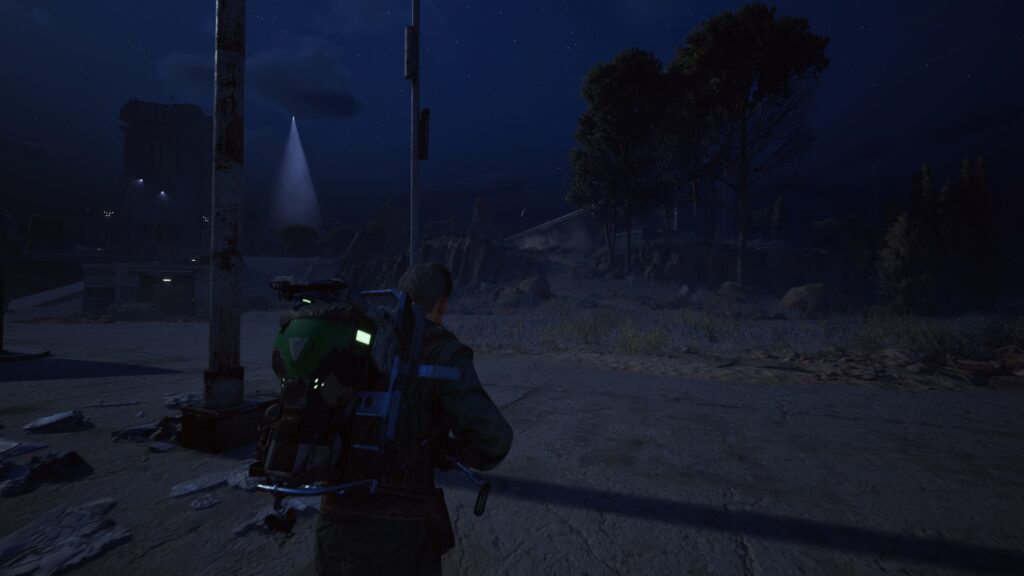
Whether alone or in a squad, survival improves when players consciously shift how they process risk, information, and movement. The environment does not care how many players are present—it punishes hesitation and overconfidence equally.
Conclusion
Solo and squad play in Arc Raiders demand different mental frameworks. Survival depends on recognizing how responsibility, awareness, and movement change with numbers.
Players who fail often do so not from lack of skill, but from applying the wrong mindset to the situation. Understanding this divide turns both solo runs and coordinated raids into deliberate, controlled experiences.