




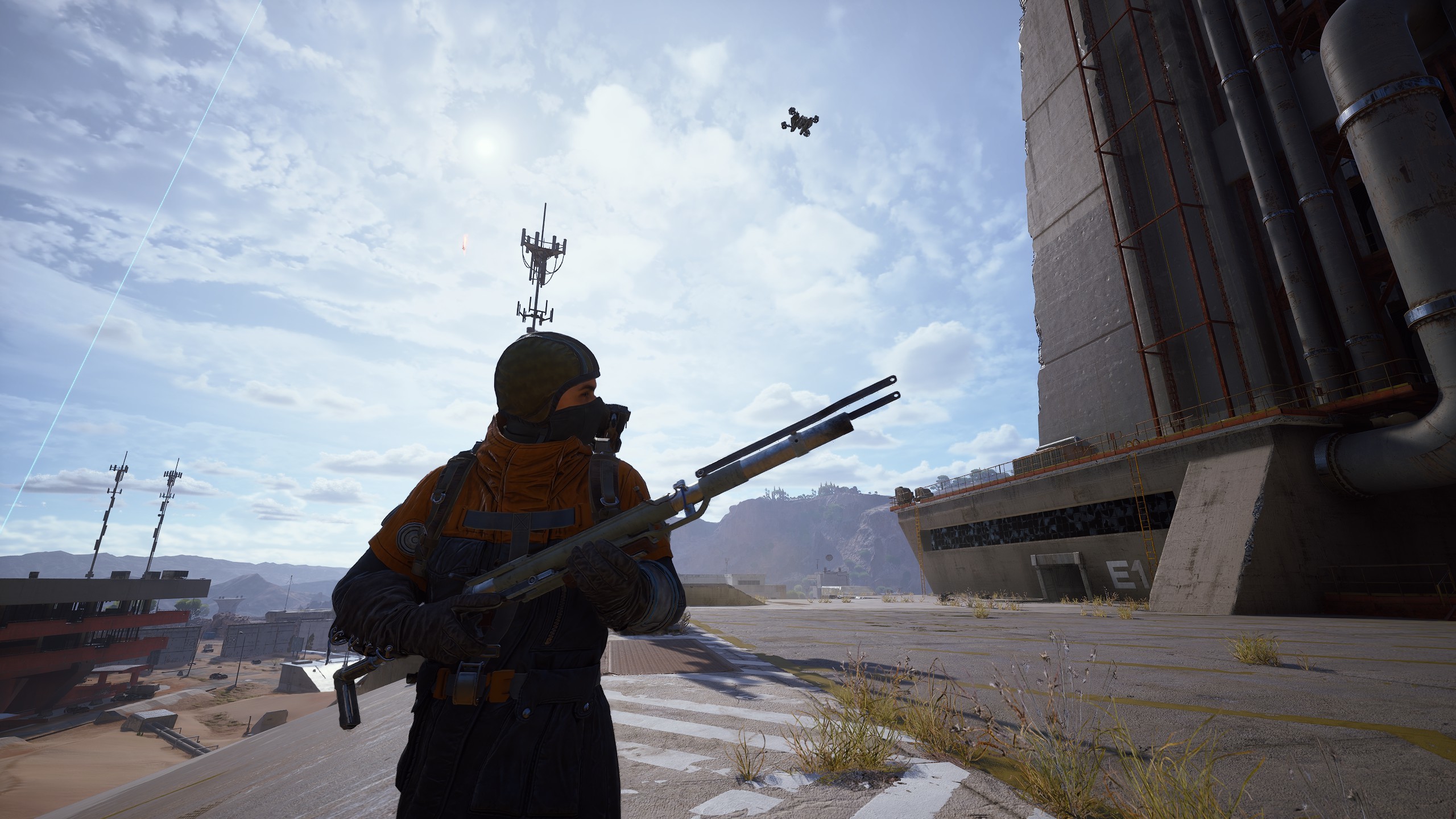
In Arc Raiders, danger does not come only from enemies. The environment itself actively shapes survival, often influencing outcomes more than direct gunfire. Terrain hazards, visibility limitations, sound exposure, and traversal risks apply constant pressure even when no enemies are present.
Players who focus solely on hostile threats overlook how the environment quietly sets traps of its own. Many casualties occur without a clear enemy mistake, but because players underestimated the space they were moving through.
The Environment as a Silent Opponent
Environmental threats operate without intent, which makes them easy to ignore. Poor lighting hides movement, open ground removes cover, and vertical drops limit escape options. These elements do not attack directly, but they shape encounters before they begin.
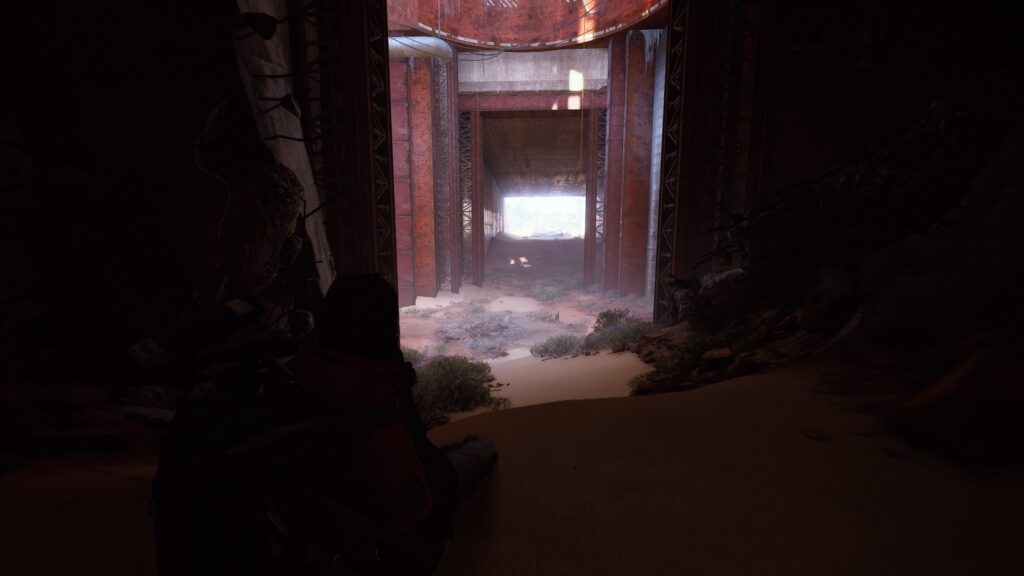
Players often enter fights already disadvantaged by their surroundings. Survivors learn to treat the environment as an active opponent that must be read and respected long before combat begins.
Sound and Exposure as Persistent Risks
Noise and visibility are environmental forces that consistently expose players. Certain surfaces amplify footsteps, while open structures broadcast movement across wide areas. Visibility works the same way—crossing bright or open terrain reveals players long before they see a threat.
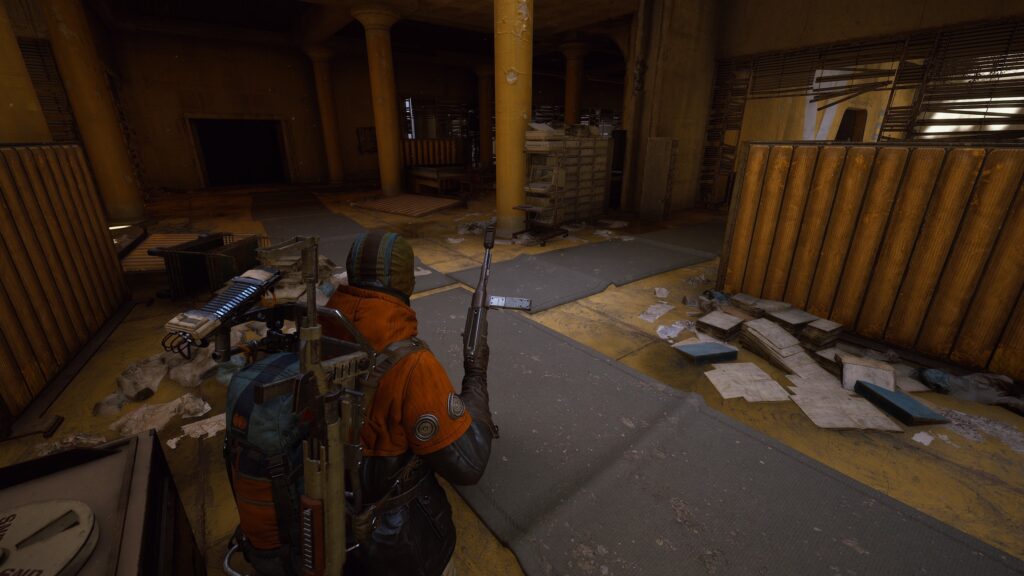
These risks accumulate quietly. Players may feel safe due to lack of contact, unaware that they have already announced their position. Environmental exposure often leads to ambushes that feel sudden but were enabled minutes earlier.
Traversal Hazards That Remove Escape Options
Movement choices can transform neutral spaces into lethal traps. Narrow corridors restrict dodging, elevation changes lock players into predictable paths, and uneven terrain disrupts aim during critical moments. These hazards rarely cause damage directly, but they remove flexibility. Players caught in bad terrain cannot disengage when pressure rises. Casualties often occur because escape routes were unknowingly sacrificed during traversal.
Environmental Threats Players Underestimate
Several environmental dangers consistently rival enemy fire in impact.
- Open areas with no recovery cover
- Sound-amplifying surfaces and structures
- Vertical drops limiting retreat paths
- Low-visibility zones hiding movement cues
These factors quietly shape every encounter outcome.
Why Environmental Awareness Extends Survival
Players who respect environmental threats reduce risk without firing a shot. They choose routes that preserve cover, move at speeds appropriate to terrain, and avoid spaces that remove options.
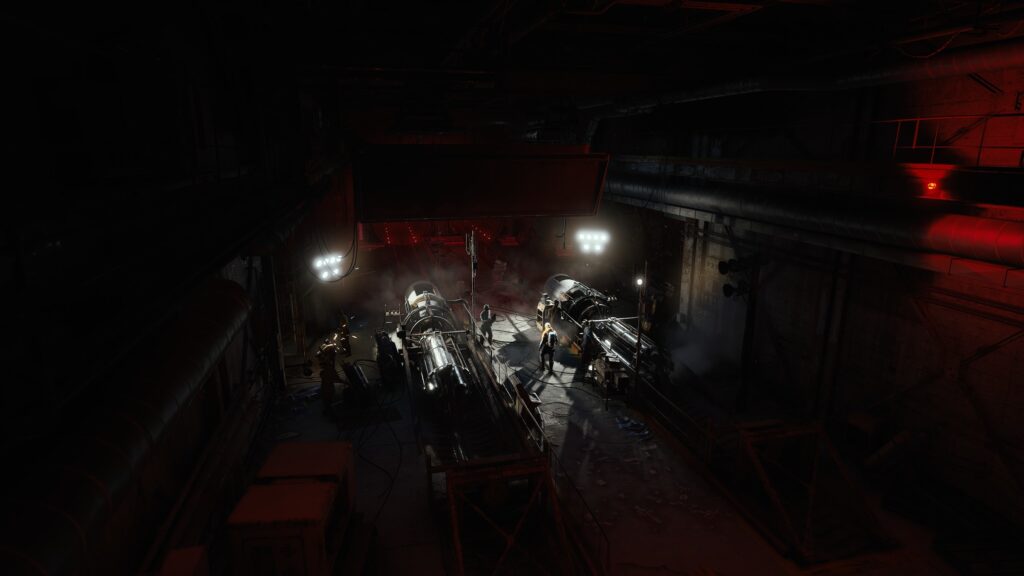
This awareness keeps engagements on favorable terms. Mechanical skill cannot overcome environmental disadvantage indefinitely. Survival improves when players understand that positioning within the environment matters as much as reaction during combat.
Conclusion
Environmental threats in Arc Raiders matter as much as enemy fire because they shape exposure, movement, and escape long before combat begins. Players who ignore the environment often lose control before a fight starts.
Those who read terrain as carefully as enemy behavior survive longer and more consistently. In a hostile world, the ground beneath your feet can be as dangerous as the weapon aimed at you.