






Maintaining financial solvency in Arc Raiders is a macro-level progression path that operates independently of individual combat performance. It emphasizes long-term resource management, disciplined spending, and the calculation of profit margins for every raid. For players aiming to fund high-end gear consistently, an eco strategy forms a reliable framework for ensuring that a single bad night does not result in bankruptcy. It is about playing the long game in a world that wants to take everything from you.

This guide examines how to approach your play sessions with a financial mindset, focusing on balancing investment raids with profit raids to maintain a steady upward trend in your credit balance. Managing your currency is just as important as managing your ammunition.
The Concept of the Sustainable Session
Many raiders make the mistake of running their best gear every single time they drop. This is financially unsustainable because the cost of losing top-tier equipment often outweighs the average profit of several successful runs. An effective eco strategy treats your stash like a business. It requires you to categorize your raids: are you spending money to complete a difficult quest, or are you entering the zone specifically to harvest credits? This deterministic approach removes the randomness from your finances.
By alternating between high-intensity combat runs and low-cost foraging runs, you create a safety net. This allows you to take risks when they matter most while ensuring that your baseline wealth remains stable. A sustainable session is one where you end with more credits than you started, even if you lost a few expensive gunfights along the way.
Rules for Long-Term Solvency

Staying solvent requires a set of rules that you apply across your entire session, regardless of how your last fight went:
- The 3-to-1 Rule: Aim to have at least three successful low-cost raids for every one high-investment raid. This ensures that the profits from your safe runs cover the potential total loss of your expensive equipment, keeping your net income positive.
- Loot-to-Insurance Ratio: If the cost of your kit exceeds fifty percent of your expected loot value, you are over-geared for the task. Downscale your armor or utility to widen your profit margins and reduce the sting of a potential death.
- Consumable Discipline: Only use high-tier consumables when the potential reward of the fight justifies the cost. Using an expensive grenade to kill a low-level AI is a losing trade. Save your best utility for the fights that determine whether you extract or die.
Identifying High-Margin Extraction Zones
To maximize your eco strategy, you must identify areas of the map that offer the highest return on investment. These are not necessarily the areas with the legendary loot, but the areas with consistent, high-stacking materials that sell for a steady price. Finding a quiet corner of the map with multiple industrial crates can often be more profitable over time than fighting for a single, highly contested supply drop. Look for patterns in where specific, high-demand crafting components spawn and build your eco routes around them.
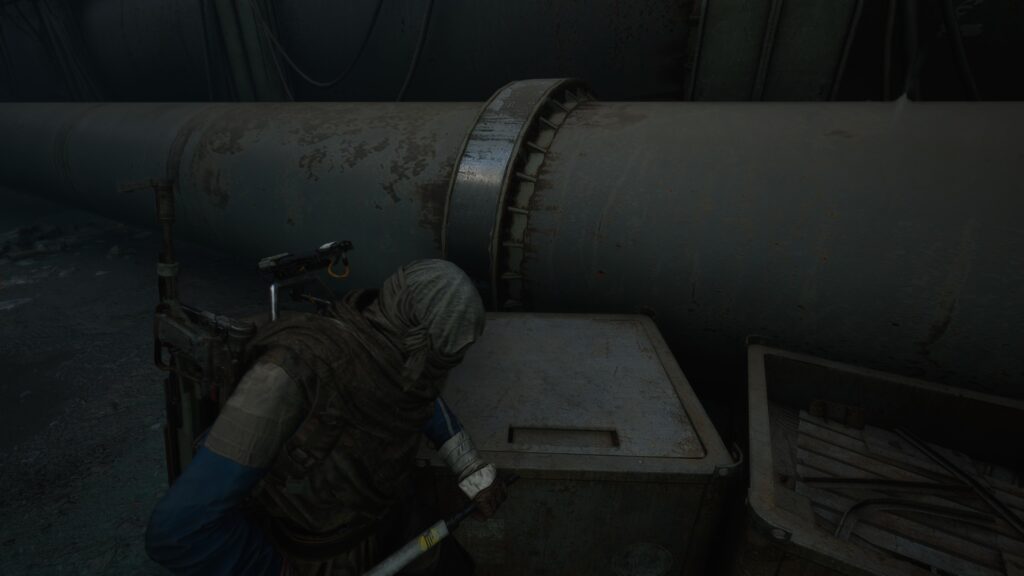
Efficiency in these zones is about speed and inventory management. Know which items have the highest value per slot and be ruthless about dropping low-value junk. The goal of an eco raid is to fill your bag as quickly as possible with “guaranteed” money and extract before the risk level of the match escalates. By mastering these high-margin zones, you provide the fuel necessary to power your more expensive, objective-focused adventures.
Conclusion: Wealth Through Tactical Restraint
Eco strategy rewards the patient and calculating raider. By shifting your focus from individual raid glory to session-wide profitability, you ensure that you always have the resources needed to compete. Integrating these financial rules into your daily routine transforms your experience in Arc Raiders from a series of stressful gambles into a structured system of wealth accumulation, allowing you to dominate the Exclusion Zone without ever fearing the cost of a reset.